LOCATIONS
 1-800-456-1054
Proudly Serving West Texas Families
and Contractors Since 1979
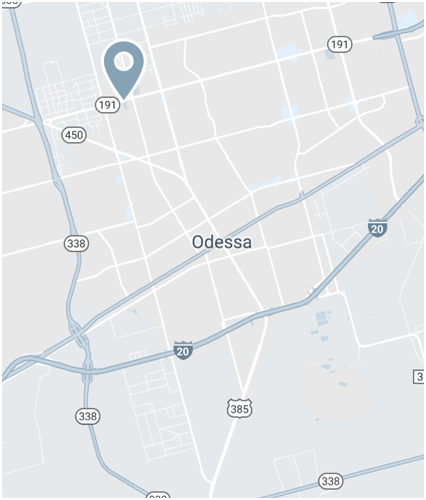
Midland, Texas
Sims Plastics Midland is conveniently located to serve you. Our trucks can deliver your order anywhere
within a 20-mile radius of the store. We also offer shipping via local hotshots and freight carriers.
We’ll get it to you right quick!
Stop in or let us ship to you directly — anywhere in the US!


Water Tanks / Septic Tanks in Midland, Texas
In the heart of the arid West Texas landscape, efficient water storage and responsible wastewater management are paramount for the Midland, Texas community. Water tanks and septic tanks are vital components that ensure a steady supply of clean water and proper waste disposal. Sims Plastics, a trusted local company, has emerged as a key provider of high-quality water and septic tanks, offering a variety of solutions tailored to the specific needs of the region. Representing respected manufacturers such as Norwesco® Horizontal Leg Tank and Norwesco® Vertical White Storage Tanks, Sims Plastics is the go-to source for these essential tank solutions.
Sims Plastics has positioned itself as a trusted supplier of water and septic tanks in the Midland, Texas area, offering a range of products designed to cater to the community’s unique demands. Whether it’s storing water for agricultural purposes, industrial applications, or managing septic systems, Sims Plastics is committed to ensuring that Midland, Texas residents and businesses have access to reliable, long-lasting, and eco-friendly tank options.
The Norwesco® Horizontal Leg Tank is a widely used water storage solution in Midland, particularly in applications that require water transport and mobile storage. These tanks are designed with molded-in legs that provide sturdy support, making them ideal for mounting on trailers or trucks. In a region where water is a precious resource and efficient transport is essential, horizontal leg tanks are the preferred choice for ensuring water supply to remote locations, construction sites, and agricultural fields.
Norwesco® Vertical White Storage Tanks are also an integral part of the water storage landscape in Midland, Texas. These tanks are designed to store larger volumes of water, making them suitable for a variety of applications, from residential to commercial. The white color of the tanks helps reflect sunlight, reducing the water temperature inside and minimizing the risk of algae growth. In a region known for its scorching temperatures, these vertical storage tanks are a reliable solution for storing water while maintaining water quality.
Septic Systems and Texas Real Estate: What Buyers and Sellers Should Know
When it comes to buying or selling property with a septic system in Texas, a little extra knowledge goes a long way. For rural or even some suburban areas, septic systems are the main solution for handling wastewater. Here’s what buyers and sellers need to know to make confident, informed decisions.
What Is a Septic System?
A septic system is an onsite wastewater treatment setup, typically installed on properties where access to a municipal sewer system isn’t available. In Texas, the common types include conventional systems (using gravity for waste flow), aerobic systems (adding oxygen to enhance waste breakdown), and alternative septic systems that may use specialized technology to address unique soil conditions.
Understanding the septic system type matters. Aerobic systems, for example, often need regular maintenance and occasional inspections, while conventional septic systems are simpler but require regular pumping. Buyers should consider each type’s maintenance demands and potential impact on resale value.
Key Questions for Buyers and Sellers
Knowing the right questions can help both buyers and sellers assess the system’s condition and future costs.
Questions for Buyers:
- What type of septic system is installed? Different systems mean different maintenance routines.
- Is there a maintenance history? Routine maintenance indicates a well-cared-for septic system, potentially reducing immediate costs.
- When was the system last pumped or inspected? A recent service record is a positive sign.
For Sellers: Having septic system documentation, recent inspection records, and any repair receipts ready for buyers can make your property stand out. Providing these details shows transparency and can add value to the sale.
Inspection Tips
A septic inspection is a must for potential buyers. This specialized assessment looks at:
- Septic Tank Condition: Inspectors evaluate the tank’s capacity, structural integrity, and level of sludge or scum buildup.
- Drain Field: The field’s soil permeability, drainage patterns, and system age can all affect how efficiently wastewater is filtered.
- Compliance: Inspectors ensure the system complies with local codes, which can vary greatly across Texas.
Sellers can also benefit from a pre-sale inspection, allowing time to address any concerns that could be deal-breakers for buyers.
Costs and Considerations
Septic systems come with some unique costs that can affect sale negotiations. Here’s a breakdown:
- Routine Maintenance: Septic tanks need pumping every 3-5 years to keep them operating efficiently, costing between $300 and $600 per service. Regular pumping is essential, and failure to maintain this can lead to system backups or costly repairs.
- Repairs or Replacement: Major repairs, such as drain field replacement or tank fixes, can range from $3,000 to $7,000. If a system requires replacement, buyers may want to negotiate for an adjustment in sale price.
- Local Regulations: Texas has strict requirements for septic installations, and a system that doesn’t meet current standards may need upgrades. It’s wise to check with local health departments or environmental agencies to ensure the system meets state and local requirements.
Handling Septic-Related Negotiations
Septic issues, if detected during inspection, can be a point of negotiation. Buyers might ask sellers to handle repairs or adjust the property price if the system requires substantial work. Sellers can benefit by proactively addressing system maintenance before listing their property, reducing the chance of last-minute expenses or price drops.
Making Informed Decisions
For Texas buyers and sellers, understanding septic systems can simplify the real estate process and potentially save thousands of dollars. With regular maintenance and a bit of planning, septic systems can be efficient and reliable for years to come.
For trusted septic tank supplies and advice, visit Sims Plastics, a top provider of durable, high-quality products across Texas.
Drainage Supplies / Septic Chambers in Midland, Texas
In the vast and arid landscape of West Texas, efficient drainage systems and septic chambers are essential for managing water runoff and wastewater disposal. These components play a crucial role in maintaining residential and commercial properties, protecting the environment, and ensuring public health. Sims Plastics, a respected local company, has emerged as a leading provider of drainage supplies and septic chambers, offering a comprehensive range of solutions tailored to the unique needs of the Midland, Texas community. Representing renowned manufacturers like Advanced Drainage System® ARC 36 PANEL & HIGH CAPACITY PANEL and Norwesco® 1000 GAL. LOW PRO PLUMBED SEPTIC TANK, Sims Plastics has positioned itself as the preferred source for these vital components for water management and waste disposal.
Sims Plastics has established itself as a trusted supplier of drainage supplies and septic chambers in the Midland, Texas area, offering a range of products designed to address the community’s diverse demands. Whether it’s managing stormwater, agricultural drainage, or wastewater disposal, Sims Plastics is dedicated to ensuring that Midland residents and businesses have access to reliable, long-lasting, and eco-friendly solutions.
Advanced Drainage System® ARC 36 PANEL & HIGH CAPACITY PANEL is a respected manufacturer known for its versatile and cost-effective tank solutions. These panels are ideal for water storage in agricultural, industrial, and residential applications in Midland, Texas, where a reliable water supply is essential. The high-capacity panels are designed to withstand the demands of large-scale water storage, ensuring a consistent and reliable water supply even during peak demand.
The Norwesco® 1000 GAL. LOW PRO PLUMBED SEPTIC TANK is a popular choice for septic systems in Midland, Texas and the surrounding areas. Designed for easy installation and efficient management of wastewater, these low-profile septic tanks are perfect for properties with limited space or specific depth requirements. The 1000-gallon capacity ensures that they can handle the needs of households and businesses, providing a robust and durable solution for wastewater disposal.
Water Well Pumps / Chemical Pumps in Midland, Texas
In the expansive and arid terrain of West Texas, where a reliable water supply is a lifeline for residents, businesses, and agriculture, water well pumps and chemical pumps play a vital role. These components are essential for ensuring access to clean water and efficient chemical handling. Sims Plastics, a trusted local company, has established itself as a key provider of water well pumps and chemical pumps, offering a diverse range of solutions tailored to the unique needs of the Midland, Texas community. Representing esteemed manufacturers like Grundfos® 3/4 HP 115V SCALA Booster Pump and A.Y. McDonald® – 6622-039 – 23050J3 Stainless Steel Submersible Pump, Sims Plastics is the go-to source for these essential pump solutions.
Sims Plastics has positioned itself as a trusted supplier of water well pumps and chemical pumps in the Midland, Texas area, offering a range of products designed to cater to the community’s diverse demands. Whether it’s ensuring a consistent water supply, boosting water pressure, or handling chemicals for various applications, Sims Plastics is dedicated to ensuring that Midland, Texas residents, businesses, and agricultural operations have access to reliable, efficient, and eco-friendly pump solutions.
The Grundfos® 3/4 HP 115V SCALA Booster Pump is a respected name in the world of water well pumps. These booster pumps are designed to enhance water pressure and flow rates, making them an ideal choice for areas like Midland, Texas, where a consistent and robust water supply is essential. The 3/4 HP motor is capable of boosting water pressure effectively, ensuring that residents and businesses have a reliable water supply even in areas with low water pressure.
The A.Y. McDonald® – 6622-039 – 23050J3 Stainless Steel Submersible Pump is another noteworthy product represented by Sims Plastics. Stainless steel submersible pumps are known for their durability and resistance to corrosion, making them ideal for a wide range of applications, including residential water supply, agriculture, and industrial processes. In Midland, Texas, where water quality and the protection of water sources are of paramount importance, stainless steel submersible pumps are trusted for their reliability and long service life.
Irrigation Sprinklers / Irrigation Parts in Midland, Texas
In the heart of West Texas, where water is a precious resource and responsible irrigation is essential for agriculture and landscaping, efficient irrigation systems are a lifeline for the community. Sims Plastics, a trusted local company, has emerged as a prominent provider of irrigation sprinklers and irrigation parts, offering a range of solutions designed to meet the unique needs of the region. Representing respected manufacturers such as the Plott Measurement Wheel and Senninger Wobblers, Sims Plastics is the go-to source for these essential components for irrigation systems.
Sims Plastics has positioned itself as a trusted supplier of irrigation solutions in Midland, Texas, offering a comprehensive range of products that cater to the community’s diverse needs. Whether it’s ensuring flourishing crops, lush landscapes, or efficient water usage, Sims Plastics is dedicated to ensuring that Midland, Texas residents, farmers, and landscapers have access to reliable and efficient irrigation solutions.
The Plott Measurement Wheel is a valuable tool for assessing and planning irrigation systems. In a region like Midland, Texas, where water resources are limited, and responsible water management is a priority, accurate measurement is crucial. This measurement wheel allows for precise determination of distances and areas, ensuring that irrigation systems are designed and maintained efficiently.
Senninger Wobblers are an important component in irrigation systems for agriculture and landscaping. These unique sprinklers distribute water in a gentle, rain-like pattern, ensuring even coverage and minimal water wastage. In a region known for its scorching temperatures, efficient and precise irrigation is essential to maintaining healthy crops and landscapes, making Senninger Wobblers a preferred choice for responsible water management.
PVC Pipe / PVC Connectors in Midland, Texas
In the vast and arid landscapes of West Texas, where construction, plumbing, and infrastructure projects are essential for the community’s growth, the demand for reliable PVC pipes and connectors is undeniable. Sims Plastics, a trusted local company, has emerged as a leading provider of PVC pipe and connectors, offering a comprehensive selection of PVC materials designed to cater to the specific needs of the region. Representing their own manufactured products like Sims Plastics – 1/2″ SCH 40 PVC PIPE BELLED END and Sims Plastics – 1/4″ SCH. 80 PVC PIPE P.E., Sims Plastics has positioned itself as the preferred source for these essential building and plumbing materials.
Sims Plastics has become a trusted supplier of PVC solutions in the Midland, Texas area, offering a diverse range of products to address the community’s unique demands. Whether it’s residential plumbing, commercial construction, or industrial applications, Sims Plastics is dedicated to ensuring that Midland, Texas residents, businesses, and construction professionals have access to reliable, durable, and eco-friendly PVC materials for their projects.
The Sims Plastics – 1/2″ SCH 40 PVC PIPE BELLED END is a versatile PVC pipe used in various plumbing and construction applications. This pipe is designed with a belled end that facilitates easy installation and secure connections. In Midland, Texas, where efficient plumbing systems are vital for residential, commercial, and industrial needs, these PVC pipes are trusted for their durability, resistance to environmental stressors, and ease of installation. They are suitable for a wide range of applications, including water supply, drainage, and conduit systems.
The Sims Plastics – 1/4″ SCH. 80 PVC PIPE P.E. is another essential product represented by Sims Plastics. Schedule 80 PVC pipes are known for their higher pressure rating and durability, making them an excellent choice for applications that require robust piping. In Midland, Texas, where industrial and commercial operations depend on plumbing systems to function smoothly, these pipes are a reliable solution for handling a variety of applications, including chemical transport, underground conduit systems, and high-pressure water supply.
PVC Fittings / PVC Valves in Midland, Texas
In the vast expanse of West Texas, where construction, plumbing, and industrial projects are the backbone of the community’s growth, the demand for reliable PVC fittings and PVC valves is undeniable. Sims Plastics, a trusted local company, has risen to meet this demand by providing a comprehensive selection of PVC fittings and valves designed to cater to the specific needs of the region. Representing their own manufactured products such as Sims Plastics – 1/2″ CLEAR PVC PIPE (300 PSI) and 1/2” SMART CLICK TRANSITION FIT, Sims Plastics has positioned itself as the preferred source for these essential building and plumbing materials.
Sims Plastics has established itself as a trusted supplier of PVC fittings and valves in the Midland, Texas area, offering a diverse range of products designed to address the community’s unique demands. Whether it’s residential plumbing, commercial construction, or industrial applications, Sims Plastics is dedicated to ensuring that Midland. Texas residents, businesses, and construction professionals have access to reliable, durable, and eco-friendly PVC fittings and valves for their projects.
The Sims Plastics – 1/2″ CLEAR PVC PIPE (300 PSI) is a versatile PVC fitting used in a variety of plumbing and construction applications. This clear PVC pipe is designed for applications where strength, transparency, and pressure resistance are essential. In Midland, where plumbing systems must withstand fluctuating temperatures and harsh environmental conditions, clear PVC pipes are highly regarded for their durability and their ability to facilitate visual inspection of flow, ensuring that the system is functioning as intended.
The 1/2” SMART CLICK TRANSITION FIT is another essential product represented by Sims Plastics. Transition fittings play a vital role in connecting different types of pipes and ensuring leak-free connections. In a region like Midland, Texas, where efficient plumbing systems are vital for residential, commercial, and industrial needs, these transition fittings provide a reliable solution for joining pipes with different materials, diameters, or connection methods. They are trusted for their robustness and ability to withstand challenging conditions.
Sustainable and Smart: Choosing the Right 2025 Septic System for Your Texas Home
Introduction
As Texas continues to experience rapid population growth, changing environmental regulations, and extreme weather patterns, homeowners are facing new challenges in wastewater management. From severe droughts to shifting soil conditions, finding the right septic system in 2025 is more critical than ever.
In our previous post, What’s New in Texas Septic Technology? Innovations for 2025, we explored cutting-edge advancements in wastewater treatment. Building on that, this guide will help Texas homeowners choose a septic system that balances sustainability, smart technology, and long-term practicality.
Whether you’re looking to upgrade an outdated system or install a new one, this post will cover everything from regulatory changes and eco-friendly options to the latest in smart monitoring technology.
Why 2025 is the Year to Upgrade Your Texas Septic System
Regulatory Changes: Staying Compliant with New Texas Laws
Texas is tightening its environmental laws to promote cleaner water and more sustainable waste treatment. Homeowners in cities like Odessa, Midland, and Waco must comply with updated Texas Commission on Environmental Quality (TCEQ) regulations, which may include:
- Stricter nitrogen and phosphorus limits in wastewater.
- New incentives for installing low-impact septic technologies.
- Increased penalties for failing to maintain or upgrade outdated systems.
Climate Pressures: Drought and Water Conservation
Texas frequently faces prolonged droughts, making water conservation a top priority. Older septic systems often contribute to unnecessary water waste, while modern systems integrate water recycling and efficient filtration to reduce consumption.
Cost Savings: The Long-Term Benefits of an Upgrade
Although modern septic systems require a higher initial investment, they provide significant long-term savings, including:
- Lower maintenance costs with automated monitoring.
- Reduced water bills through greywater recycling.
- Increased home value, as buyers prioritize eco-friendly, low-maintenance homes.
Sustainable Septic Systems: What Texans Need to Know
What Makes a Septic System “Sustainable”?
A sustainable septic system minimizes environmental impact while optimizing wastewater treatment. Key features include:
- Water recycling capabilities: Reusing treated water for irrigation.
- Reduced chemical use: Advanced filtration instead of harsh treatments.
- Soil compatibility: Systems designed for clay-heavy soil (common in Central Texas) or sandy soil (prevalent in West Texas).
Top Sustainable Septic Options for 2025
- Aerobic Treatment Systems (ATS) – Uses oxygen to break down waste faster, producing cleaner effluent.
- Advanced Anaerobic Systems – Reduces nitrogen output, preventing groundwater contamination.
- Hybrid Systems – Combines ATS with drip irrigation for more efficient wastewater dispersal.
- Greywater Recycling Systems – Separates and repurposes wastewater for non-potable uses like landscaping.
Smart Septic Technology: Features to Look For
IoT and Remote Monitoring
Modern systems use smart sensors and Wi-Fi-enabled monitoring to track performance and alert homeowners to potential issues. Features include:
- Leak detection via smartphone alerts.
- Tank level monitoring to prevent overflows.
- Predictive maintenance to reduce unexpected failures.
Energy Efficiency
New septic systems are designed with low-energy components, including:
- Solar-powered aerators to reduce electricity consumption.
- Efficient pumps that minimize energy use.
Automation
Some self-regulating systems adjust treatment cycles based on usage, reducing strain on the system and improving efficiency. Smart irrigation controls also ensure optimal distribution of treated water for landscaping.
Matching Your Texas Property to the Right System
Key Factors to Evaluate
- Property Size & Soil Type: Clay-heavy soil requires drip irrigation or aerobic treatment, while sandy soil is better suited for hybrid or greywater systems.
- Household Water Usage: High-demand households benefit from large-capacity, energy-efficient systems.
- Local Regulations: Check TCEQ rules and county-specific requirements before selecting a system.
Case Study Examples
📍 Odessa Ranch – Installed a hybrid ATS + drip irrigation system to optimize wastewater use for agriculture.
🏡 Midland Suburban Home – Chose a compact, IoT-enabled aerobic system for easy remote monitoring.
Incentives for Texas Homeowners
Look for state and federal rebates, including:
- TCEQ grants for eco-friendly systems.
- Tax credits for solar-powered septic components.
Long-Term Savings
A smart, sustainable septic system can reduce:
- Water bills by up to 30%.
- Maintenance costs with predictive monitoring.
- System failures, extending lifespan by 10+ years.
How to Get Started: A Step-by-Step Guide
- Assess Your Property – Get a soil test and analyze your household’s water usage.
- Research Certified Installers – Choose TCEQ-approved professionals familiar with 2025 technology.
- Apply for Permits & Incentives – Take advantage of Texas rebates and tax credits.
- Plan for Installation & Maintenance – Set a schedule for routine checkups and filter replacements.
FAQs
- Are smart septic systems worth the investment in rural Texas?
Yes! Smart systems provide remote monitoring, reducing the need for frequent inspections in remote locations.
- How do hybrid systems handle extreme drought conditions?
Hybrid systems integrate drip irrigation and greywater recycling, optimizing water use even during droughts.
- What maintenance do solar-powered septic components require?
Minimal maintenance is needed—just occasional cleaning of solar panels and battery replacements every 5–10 years.
Conclusion
Choosing the right septic system in 2025 means balancing sustainability, smart technology, and practicality. Whether you’re in Odessa, Midland, or Waco, an upgrade can provide long-term cost savings, regulatory compliance, and environmental benefits.
Next Steps
- Consult a local septic expert to evaluate your property.
- Explore available incentives for eco-friendly and smart systems.
Contact Sim’s Plastics in Odessa, Midland and Waco!
What’s New in Texas Septic Technology? Innovations for 2025
Septic systems have long been a critical component of wastewater management, especially in rural and suburban areas of Texas. As the population grows and environmental concerns intensify, advancements in septic technology are revolutionizing how we treat wastewater. In 2025, cutting-edge innovations are making septic systems more efficient, eco-friendly, and adaptable to the unique challenges of Texas’s diverse terrain.
Let’s explore the latest trends and breakthroughs in septic technology that are shaping the industry and why they’re particularly relevant to Texas homeowners and businesses.
- Remote Monitoring for Septic Systems
One of the most transformative innovations in 2025 is remote monitoring technology. With smart sensors installed within septic tanks and drain fields, homeowners can now track system performance in real-time using smartphone apps or web platforms.
Key Features of Remote Monitoring
- Early Problem Detection: Sensors can detect issues like clogs, overflows, or leaks before they become costly emergencies.
- Real-Time Alerts: Notifications are sent to homeowners or service providers when maintenance is required.
- Environmental Benefits: Efficient monitoring reduces the risk of untreated wastewater seeping into groundwater.
In Texas, where many homes rely on septic systems in remote areas, this innovation ensures systems remain in optimal condition without frequent manual inspections.
- High-Efficiency Drain Field Designs
Drain fields, or leach fields, are a crucial part of septic systems. The latest designs emphasize higher efficiency and adaptability to varying soil conditions, which is vital given Texas’s diverse geography.
Innovative Drain Field Technologies
- Drip Distribution Systems: These systems evenly distribute treated wastewater through drip lines, ensuring precise absorption and reducing soil saturation risks.
- Aerated Drain Fields: By incorporating aeration, these fields improve the breakdown of organic matter, extending the life of the system.
- Modular Drainage Solutions: Designed for flexibility, these systems can be adjusted to fit small lots or irregular terrain commonly found in Texas Hill Country.
With better performance and less environmental impact, these drain field advancements are ideal for Texans seeking sustainable wastewater solutions.
- Advanced Wastewater Treatment Systems
Traditional septic tanks are evolving into high-performance treatment units that produce cleaner effluent, reducing the environmental footprint of septic systems.
Key Innovations in Treatment Technology
- Membrane Bioreactors (MBRs): These systems use advanced filtration to remove pathogens and contaminants, producing nearly potable-quality water.
- Nitrogen-Reduction Units: By targeting nitrogen levels in wastewater, these units help protect Texas’s waterways from harmful algae blooms.
- Biofilters: Utilizing natural materials like sand, peat, or coconut husks, biofilters enhance water purification with minimal energy consumption.
These systems are particularly beneficial in environmentally sensitive areas such as near rivers, lakes, and aquifers, which are abundant across Texas.
- Eco-Friendly Additives and Enzymes
2025 brings a renewed focus on biological additives to improve septic tank performance. These eco-friendly solutions introduce beneficial bacteria and enzymes that accelerate waste breakdown and prevent blockages.
Advantages of Modern Additives
- Improved Efficiency: Reduces the buildup of sludge and scum, extending the time between pump-outs.
- Odor Control: Minimizes unpleasant smells often associated with septic tanks.
- Environmentally Safe: Free from harmful chemicals, making them safe for Texas ecosystems.
For Texans with older septic systems, these additives can be a cost-effective way to boost performance without major upgrades.
- Solar-Powered Septic Systems
As Texas continues to embrace renewable energy, solar-powered septic systems are gaining popularity. These systems utilize solar panels to power pumps, aerators, and other components, reducing reliance on electricity.
Benefits for Texans
- Energy Savings: Ideal for off-grid properties or areas with frequent power outages.
- Sustainability: Reduces carbon emissions, aligning with Texas’s growing renewable energy goals.
- Resilience: Solar-powered systems remain operational during emergencies, such as storms or grid failures.
This innovation is especially useful in rural Texas, where access to reliable electricity can be a challenge.
- Compact and Modular Septic Systems
As urban sprawl reaches rural Texas, space-efficient septic solutions are becoming essential. Modular systems designed for compact installation are now available, catering to small properties or unconventional layouts.
Key Features
- Scalability: Easily expandable to accommodate future needs.
- Low Footprint: Fits into tight spaces without compromising performance.
- Customizability: Adaptable to meet specific site requirements, including challenging soil types.
These systems ensure that even properties with limited space can maintain effective wastewater treatment.
- Enhanced Flood Resilience
Texas is no stranger to flooding, which can wreak havoc on traditional septic systems. In 2025, flood-resistant designs are mitigating these risks.
Flood-Resistant Innovations
- Sealed Tanks: Prevents groundwater infiltration during floods.
- Elevated Drain Fields: Keeps critical components above flood levels.
- Backflow Prevention: Protects homes from wastewater backups during heavy rains.
These advancements are invaluable for Texans living in flood-prone regions like Houston or the Gulf Coast.
- Regulatory Compliance Technology
Navigating septic regulations in Texas can be daunting. New tools are making compliance easier by integrating regulatory guidelines into system design and monitoring processes.
How It Works
- Automated Reports: Systems generate compliance reports for local authorities.
- Permitting Assistance: Software tools guide homeowners through permit applications.
- Inspection Integration: Digital records streamline the inspection process.
These technologies save time and reduce the stress of staying compliant with Texas regulations.
Conclusion: The Future of Septic Systems in Texas
With innovations like remote monitoring, eco-friendly treatment methods, and flood-resistant designs, septic technology in 2025 is setting a new standard for efficiency and sustainability. Whether you’re upgrading an existing system or planning a new installation, these advancements offer solutions tailored to the unique challenges of Texas.
For more information about cutting-edge septic products and services, visit Sim’s Plastics, your trusted source for all your septic system needs.
Frequently Asked Questions
- What is remote monitoring in septic systems?
Remote monitoring uses smart sensors to track septic system performance and alert homeowners to potential issues via apps or web platforms. - Are advanced septic systems more expensive?
While the initial cost may be higher, innovations like high-efficiency drain fields and solar power reduce long-term maintenance and energy expenses. - How do nitrogen-reduction units benefit the environment?
These units minimize nitrogen discharge into waterways, reducing the risk of algae blooms and protecting aquatic ecosystems. - Can I retrofit my existing septic system with new technologies?
Yes, many innovations like biofilters and eco-friendly additives can be integrated into older systems to enhance performance. - Why are flood-resistant septic designs important in Texas?
Frequent flooding in Texas can damage septic systems, causing overflows or backups. Flood-resistant designs prevent these issues. - Where can I find modern septic solutions in Texas?
Sim’s Plastics offers a wide range of septic system products and expert advice tailored to Texas homeowners and businesses.
Maintaining Your 2025 Septic System: Year-Round Tips for Texas Climates
Introduction
After choosing a sustainable and smart septic system for your Texas home, proper maintenance is key to extending its lifespan, preventing costly repairs, and ensuring optimal performance. Given Texas’s unique climate—from scorching summers to unpredictable storms—your system needs year-round care to handle fluctuating conditions.
This guide will walk you through seasonal maintenance, common issues, and best practices for keeping your 2025 septic system running smoothly.
Why Proper Septic Maintenance is Essential
Protect Your Investment
A smart, sustainable septic system costs anywhere from $10,000 to $25,000+, depending on its type. Without routine maintenance, small issues like clogged filters or unnoticed leaks can lead to system failure, costly repairs, or even full replacement.
Avoid Costly Repairs & Emergency Pumping
- Routine inspections can prevent major breakdowns.
- Smart septic monitoring alerts you before minor issues become expensive emergencies.
- Regular pumping and filter cleaning can extend system life by 10+ years.
Stay Compliant with Texas Regulations
New TCEQ (Texas Commission on Environmental Quality) regulations for 2025 require:
✔ Regular inspections for aerobic treatment systems.
✔ Strict nitrogen and phosphorus discharge limits.
✔ Proper maintenance records for compliance.
Spring: Preparing for Heavy Rainfall & Storms
Spring in Texas can bring heavy rain, which can flood drain fields, overwhelm septic tanks, and cause backups.
Spring Maintenance Checklist
✅ Check for standing water near your drain field (signs of poor drainage).
✅ Inspect your septic alarm system for any alerts.
✅ Clean gutters and downspouts to prevent excess water from saturating your leach field.
✅ Schedule a professional inspection before summer.
Pro Tip:
If your system has smart monitoring, check real-time water levels and flow rates using your mobile app. Catch issues early!
Summer: High Temperatures & Drought Considerations
Extreme Texas heat can cause soil shrinkage, affecting septic system efficiency. Drought conditions may also reduce natural bacteria that break down waste.
Summer Maintenance Tips
🔥 Limit water usage during droughts—space out laundry loads and showers.
🔥 Check for cracks in dry soil around your drain field—this can affect wastewater absorption.
🔥 Keep the system shaded—excessive heat can reduce bacterial efficiency.
🔥 Do NOT park vehicles or heavy equipment on your drain field, as compacted soil limits water absorption.
Smart Tech to Help:
- IoT-enabled septic systems adjust treatment cycles automatically based on water availability.
- Greywater recycling systems can reduce water usage by 30%, helping during droughts.
Fall: Preparing for Temperature Drops & System Adjustments
Cooler temperatures affect bacterial activity in your system, and fall storms can cause clogging or saturation in the drain field.
Fall Maintenance Checklist
🍂 Pump your tank before winter if it’s due—cooler weather slows natural waste breakdown.
🍂 Inspect aerators and pumps for signs of wear before the cold sets in.
🍂 Monitor smart sensors to ensure the system is running efficiently.
🍂 Flush only septic-safe products—avoid harsh chemicals that kill beneficial bacteria.
Best Practice:
Invest in aerobic treatment systems that self-adjust based on seasonal bacterial activity.
Winter: Preventing Freezing & Cold-Weather System Failures
Texas winters vary by region—while Midland and Odessa see mild conditions, Panhandle areas can experience freezing temperatures.
Winterization Tips for Your Septic System
❄ Avoid overloading the system—spike usage can cause backups.
❄ Keep heavy snow off your drain field—insulation is good, but compacted snow blocks airflow.
❄ Run warm water regularly to prevent pipes from freezing.
❄ Check backup power sources if your system includes electric pumps or IoT monitoring.
Smart Winter Protection:
- Solar-powered backup systems keep aerators running during power outages.
- Smart tank heating elements prevent freeze-related damage.
Common Septic System Problems & How to Fix Them
❌ Slow Draining Fixtures
✔ Possible Cause: Clogged filter or saturated drain field
✔ Solution: Clean the filter and reduce water usage
❌ Foul Odors from Drains
✔ Possible Cause: Bacteria imbalance in the system
✔ Solution: Avoid harsh chemicals like bleach; use enzyme treatments
❌ Septic Alarm Activated
✔ Possible Cause: High water levels or detected leak
✔ Solution: Check smart system alerts and call a technician if necessary
❌ Standing Water in Yard
✔ Possible Cause: Drain field saturation or damaged pipes
✔ Solution: Improve drainage and check for pipe damage
💡 Smart septic systems can send alerts before these issues become costly repairs!
Advanced Maintenance for Smart Septic Systems
If you’ve installed a 2025 smart septic system, take advantage of:
- Real-time monitoring to detect early issues.
- Remote diagnostics from your installer—some companies offer app-based troubleshooting.
- Automated maintenance alerts for filter cleaning, pumping schedules, and system efficiency.
How Often Should You Pump Your Septic Tank?
🔹 1–2 People (750-gallon tank) – Pump every 5 years
🔹 3–4 People (1,000-gallon tank) – Pump every 3–4 years
🔹 5–6 People (1,500-gallon tank) – Pump every 2–3 years
🔹 7+ People (2,000+ gallon tank) – Pump every 1–2 years
- 💡 Smart septic systems may require less frequent pumping due to advanced waste breakdown technology.
- FAQs
- How can I tell if my septic system is failing?
- Signs include slow drainage, gurgling toilets, sewage smells, and standing water near your drain field. Check your smart system alerts!
- Is it safe to use septic tank additives?
- Most systems do not require additives, but enzyme-based treatments can help support natural bacteria.
- What’s the best septic system for drought-prone areas?
- Hybrid systems with greywater recycling and drip irrigation are ideal for conserving water.
- Can I install a septic system myself?
- Texas requires professional installation to meet TCEQ regulations—always hire a licensed expert.
- Are smart septic systems worth it?
- Yes! IoT-enabled systems prevent emergency repairs, reduce maintenance costs, and provide remote monitoring for convenience.
- Conclusion
- A well-maintained septic system ensures efficiency, longevity, and compliance with Texas regulations. By adapting your maintenance routine to Texas’s climate, you can avoid costly issues and get the most out of your investment.
- 🔹 Next Steps:
✔ Schedule an inspection or pumping service before seasonal changes.
✔ Check your smart system alerts for maintenance reminders.
✔ Stay tuned for our next post: “Smart Septic Systems vs. Traditional: Which is Right for You in 2025?”
Common Causes of Septic System Failures in Texas: What Homeowners Need to Know
Introduction
Septic systems are essential for homes in rural and suburban areas of Texas where municipal sewer systems are unavailable. However, when these systems fail, they can lead to costly repairs, environmental damage, and potential health hazards. Understanding the most common causes of septic system failures in Texas can help homeowners take preventive measures to ensure the longevity and proper functioning of their systems.
This article explores the primary reasons why septic systems fail in Texas, including hydraulic overload, improper waste disposal, lack of maintenance, and environmental factors. By identifying these issues, homeowners can take proactive steps to protect their septic systems and avoid expensive repairs.
- Hydraulic Overload: A Leading Cause of Septic Failures
One of the most common causes of septic system failure in Texas is hydraulic overload, which occurs when the system receives more wastewater than it can handle. This excessive input prevents the system from properly filtering and breaking down waste, leading to system backups and potential groundwater contamination.
Factors Contributing to Hydraulic Overload
- Excessive Water Use: Households that use too much water in a short period (e.g., running multiple appliances simultaneously) can overwhelm the system.
- Leaky Plumbing Fixtures: A continuously running toilet or leaking faucet can introduce large volumes of unnecessary water into the system.
- Heavy Rainfall & Flooding: Many parts of Texas experience heavy rains, which can saturate the drain field and limit the system’s ability to properly disperse effluent.
Prevention Tips
- Space out high-water usage activities such as laundry and dishwashing.
- Fix leaks immediately to prevent unnecessary water entry.
- Improve drainage around the septic drain field to prevent excess water from accumulating.
- Improper Waste Disposal: What Should and Shouldn’t Go Down the Drain
Septic systems rely on a delicate balance of bacteria to break down waste. When improper materials are flushed or drained, they can disrupt this balance and lead to clogs or system failure.
Harmful Items That Should Never Enter a Septic System
- Non-Biodegradable Items: Paper towels, feminine hygiene products, diapers, and wipes (even if labeled “flushable”).
- Grease & Cooking Oils: These substances solidify over time, clogging pipes and preventing proper drainage.
- Harsh Chemicals: Cleaning products with bleach, antibacterial soaps, and drain cleaners can kill beneficial bacteria essential for waste breakdown.
- Medications & Toxic Substances: Pharmaceuticals and household chemicals can contaminate groundwater and disrupt the septic system’s biological processes.
Best Practices for Proper Waste Disposal
- Use septic-safe toilet paper and dispose of non-biodegradable waste in the trash.
- Properly dispose of grease and oils by collecting them in a container and discarding them in the garbage.
- Choose natural or septic-safe cleaning products to maintain the system’s bacterial balance.
- Lack of Routine Maintenance and Pumping
Regular maintenance is crucial for the long-term functionality of a septic system. Many homeowners in Texas neglect system inspections and pumping, which can lead to solids accumulating in the tank and eventually causing system failure.
Recommended Maintenance Schedule
- Pump the Septic Tank Regularly: The average household should have its septic tank pumped every 3 to 5 years, depending on usage.
- Schedule Inspections: A professional should inspect the system at least once every two years to check for potential issues.
- Monitor Drain Field Performance: Keep an eye out for standing water, foul odors, or slow drains, which can indicate an issue with the drain field.
- Tree Roots and Physical Damage
Texas homeowners often experience septic system failures due to physical damage, including tree root infiltration and external pressure on septic components.
How Tree Roots Cause Septic Failures
- Tree roots naturally seek out water sources and can grow into septic pipes, causing blockages and cracks.
- Some tree species, such as willows, maples, and oaks, are particularly aggressive in their root growth.
Preventing Root Damage
- Avoid planting large trees near the septic tank or drain field.
- Use root barriers to protect underground pipes.
- Conduct periodic root inspections, especially if large trees are present near the system.
Other Physical Damage Causes
- Parking vehicles or placing heavy structures over the septic system can compact the soil and damage pipes.
- Construction work near the system can accidentally break key components.
- Poor Drain Field Design or Soil Conditions
The drain field (leach field) is a crucial component of a septic system, responsible for dispersing treated wastewater into the soil. However, poor design or unsuitable soil conditions can lead to failure.
Common Drain Field Issues in Texas
- Clay-Rich Soil: Some Texas regions have dense, clay-heavy soil that drains poorly, preventing proper wastewater absorption.
- High Water Table: In areas with a high groundwater level, the drain field may become waterlogged, reducing its effectiveness.
- Improper Installation: If a drain field is too small or improperly sloped, it may not handle wastewater efficiently.
Solutions
- Have a professional evaluate the soil before installing a septic system.
- Consider alternative septic designs like mound systems for properties with poor drainage.
- Maintain proper landscaping around the drain field to prevent erosion and compaction.
- Excessive Use of Garbage Disposals
Many Texas homeowners use garbage disposals regularly, unaware that they contribute to septic system overload. Food waste, grease, and fibrous materials (e.g., coffee grounds, vegetable peels) increase the amount of solid waste in the septic tank, requiring more frequent pumping.
Alternatives and Best Practices
- Minimize garbage disposal use or opt for composting food scraps.
- If using a disposal, choose a septic-safe model designed to break down waste efficiently.
- Increase the frequency of septic tank pumping if heavy food waste disposal is unavoidable.
FAQs About Septic System Failures in Texas
- How can I tell if my septic system is failing?
Common signs include slow drains, sewage backups, foul odors, standing water around the drain field, and gurgling sounds in pipes.
- How often should I have my septic tank pumped?
Most systems should be pumped every 3 to 5 years, but larger households or those with heavy water usage may require more frequent service.
- Can heavy rain cause a septic system to fail?
Yes. Saturated soil can prevent proper wastewater absorption, leading to backups and overflows.
- What should I do if I suspect my septic system is failing?
Contact a septic professional immediately. Avoid using water excessively, and do not attempt DIY repairs without expert guidance.
- Are there specific regulations for septic systems in Texas?
Yes. The Texas Commission on Environmental Quality (TCEQ) sets guidelines for installation, maintenance, and repairs. Homeowners should check with local authorities for specific regulations.
- What’s the best way to maintain a septic system?
Practice water conservation, avoid flushing non-biodegradable materials, schedule regular inspections, and protect the drain field from damage.
Conclusion
Septic system failures in Texas are often preventable with proper care and maintenance. Understanding common issues like hydraulic overload, improper waste disposal, and drain field problems can help homeowners take proactive steps to keep their systems running efficiently. Regular inspections, responsible water use, and mindful waste disposal will go a long way in extending the life of a septic system, saving homeowners from costly repairs and environmental hazards.
By staying informed and following best practices, Texas homeowners can ensure their septic systems remain functional and reliable for years to come. 🚰💧
Texas Wastewater Reuse in 2025: What ‘Beneficial Reuse Credits’ Mean for Septic Systems
Introduction
In 2025, Texas homeowners and contractors have a smart opportunity to reduce septic system sizes and costs by utilizing TCEQ Beneficial Reuse Credits. These credits can significantly cut down required drain-field space by factoring in reclaimed water usage—ideal for septic systems in Waco, Odessa, and Midland where smart irrigation and wastewater reuse are becoming the norm.
If you’re planning an upgrade or a new system design, this guide breaks down how these credits work, who qualifies, and how to use them effectively. Plus, we’ll point you to where to get all the supplies and parts you need—Sim’s Plastics, with convenient locations in Odessa, Midland, and Waco, Texas.
🧾 What Are Beneficial Reuse Credits?
Beneficial reuse credits, as defined by the Texas Commission on Environmental Quality (TCEQ), allow homeowners and developers to subtract reused wastewater from the total flow calculations when sizing a drain field. That means smaller drain fields, reduced septic tank strain, and lower installation costs.
Credits are granted when treated wastewater is reused for:
- Lawn or crop irrigation
- Toilet flushing
- Landscaping or pasture applications
👤 Who Qualifies for These Credits?
You may be eligible if:
- You have a TCEQ-authorized land application permit.
- Your property is authorized under TCEQ Chapter 210 for reclaimed water use.
- You treat and reuse domestic wastewater—commercial/industrial systems may have different requirements.
Many septic systems in Odessa, Midland, and Waco already qualify, especially those using hybrid aerobic and irrigation systems with smart controls.
📐 How Are Credits Calculated?
Credits depend on documented reuse:
- Outdoor reuse:
- <5 years of data: 80% of your lowest month
- ≥5 years of data: 80% of average of 3 lowest months
- Indoor reuse (e.g., toilet flushing):
- Credited at 100% of the lowest or average month, depending on the data available
Example: A homeowner in Waco reuses 6,000 gallons/month of treated water for lawn irrigation and flushing. With proper documentation, they can reduce their septic drain-field requirement by that full volume.
📉 Why Credits Matter for Septic Tanks
✅ Smaller Drain Fields = Lower Costs
By subtracting water that’s reused, you reduce the required square footage for your drain field. This can mean up to 50% less land and labor, especially for clay-heavy soils in Odessa and Waco.
✅ Better Fit for Urban Lots
In Midland, where space is tight and landscaping matters, smart water reuse reduces footprint and increases regulatory flexibility.
🛠️ Optimized Systems Using Beneficial Reuse Credits
🏠 Suburban Waco Home
- Greywater reused for turf irrigation
- Dual plumbing system with toilet flushing
- ✅ Drain field cut down by 40% with TCEQ-approved reuse plan
🐄 Odessa Ranch Property
- Aerobic system feeding drip irrigation pasture system
- Water reuse documented over 5 years
- ✅ Full credit applied = substantial reduction in land application area
🏘️ Midland Compact Lot
- Reclaimed indoor water used for landscaping and flushing
- Smart sensors verify and report reuse
- ✅ Credit-enabled design saved over $7,000 on install
📝 What You Need to Apply
To receive reuse credits, prepare:
- Water use logs (at least 2 years, ideally 5)
- Chapter 210 reclaimed water authorization
- Permit for land application (Chapters 222 or 309)
- Detailed site maps showing reuse and irrigation areas
- Annual usage reports for compliance
🧰 Where to Buy the Right Supplies in Texas
To build a system that qualifies for beneficial reuse credits, you need reliable, TCEQ-compliant parts for:
- Drip irrigation
- Greywater systems
- Septic tanks and vaults
- Smart pumps and filtration
- PVC and fittings
For all your septic and irrigation needs, visit Sim’s Plastics. They carry a wide selection of professional-grade components at locations in Odessa, Midland, and Waco.
📍 Explore their inventory and get directions here:
➡️ https://simsplastics.com/locations/
🛒 Shop online or plan your visit:
➡️ https://simsplastics.com
✅ How to Start Using Credits
- Audit your current or planned water reuse
- Contact a certified septic designer to incorporate reuse credits
- Purchase approved system components from Sim’s Plastics
- Apply for permits and submit water usage history
- Report annually to retain your credits
📌 Final Thoughts
Beneficial reuse credits are a game-changer for septic systems in Texas, especially in fast-growing or water-scarce areas like Odessa, Midland, and Waco. By reusing wastewater responsibly, you reduce installation costs, conserve water, and comply with state environmental standards.
🛠 Need quality supplies to build your system right?
Trust Sim’s Plastics—your go-to local expert for septic tanks and irrigation gear.
💧 Designing a Greywater Reuse System for Your Texas Home: Smart Layouts & Legal Tips
As Texas continues to experience prolonged droughts and increasing water demand, homeowners are turning to greywater reuse systems as an innovative and sustainable way to reduce waste and lower water bills. If you live in Waco, Odessa, or Midland, designing a system that repurposes water from showers, sinks, and laundry can offer both environmental and financial benefits.
In this guide, we’ll walk you through everything you need to know about planning your greywater system, understanding TCEQ regulations, and finding the right supplies locally through Sim’s Plastics – your go-to septic and irrigation experts in Texas.
💡 What Is Greywater?
Greywater is gently used water from sinks, showers, bathtubs, and washing machines. Unlike blackwater (toilet waste), greywater contains no fecal contamination and can be safely reused for non-potable purposes like:
- Irrigating lawns, trees, and gardens
- Flushing toilets
- Supplying drip systems for landscaping
By reclaiming greywater, homeowners can reduce total water consumption by up to 30% annually.
📐 Smart Plumbing Layouts for Greywater Reuse
To effectively collect, filter, and distribute greywater, the plumbing system must be carefully designed. Here are some key layout considerations:
- Greywater Sources to Tap Into
- Showers and Bathtubs: High volume and low contaminant level – ideal for garden irrigation.
- Bathroom Sinks: Usable but watch for soap and toothpaste residue – simple filter systems work well.
- Washing Machines: Great water source but avoid using bleach or harsh chemicals.
🚫 Avoid Kitchen Sink Water: TCEQ generally classifies this as blackwater due to high levels of grease and food particles.
- Basic System Layout Components
- Collection Lines: Separate greywater drains routed away from blackwater plumbing.
- Surge Tank: Temporarily stores greywater before treatment and distribution.
- Filtration System: Screens hair, lint, and debris to keep pipes and emitters clean.
- Distribution Network: Often includes drip irrigation or underground lines to minimize contact with people and pets.
📌 Tip: Install valves to allow switching between greywater reuse and conventional drainage in case of overflow or maintenance.
🧾 TCEQ Compliance Tips for Greywater Systems
Before you start digging or installing pipes, make sure your system is compliant with Texas Commission on Environmental Quality (TCEQ) rules.
✅ Key Legal Requirements:
- System Size: For systems reusing less than 400 gallons/day, no permit is typically required under TCEQ Chapter 210 Subchapter F.
- Discharge Guidelines:
- Must not create surface runoff or ponding.
- Must stay 6 inches below surface for subsurface irrigation systems.
- Backflow Prevention: Required when integrating greywater with any potable water line.
- Labeling: All greywater pipes must be marked “Non potable Water – Do Not Drink.”
- Maintenance Access: Filters and diverters must be accessible for cleaning and repairs.
💬 Full guidance available via TCEQ’s greywater reuse rules
🛒 Where to Buy Supplies: Sim’s Plastics in Texas
To build a compliant, durable greywater system, you need access to the right parts – from filtration kits and storage tanks to irrigation lines and fittings.
🔧 We Recommend Sim’s Plastics for:
- Drip Irrigation Kits
- PVC Pipes, Valves, and Filters
- Water Tanks for Surge Capacity
- Non-potable Water Pipe Markers and Labels
- Greywater Diverter Valves
Sim’s Plastics has stores conveniently located in:
📍 Odessa, TX
📍 Midland, TX
📍 Waco, TX
💬 Reach out to their friendly team for personalized help with system design and product selection:
🔗 Contact Sim’s Plastics
🌐 Visit the Main Website
🌿 Best Practices for Long-Term Performance
- Use biodegradable soaps and detergents to reduce chemical buildup in the soil.
- Inspect filters monthly and clean as needed.
- Flush the system periodically to remove buildup in tanks and pipes.
- Rotate irrigation zones to prevent overwatering and promote healthy plant growth.
🏡 Example Greywater System Layout: Suburban Texas Home
Layout:
- Shower and washing machine water routed to a 300-gallon surge tank.
- Water passes through a dual filtration unit to remove debris.
- Distributed via drip irrigation lines to native Texas landscaping (e.g., buffalo grass, agave).
- Backflow preventer and manual bypass valve installed for maintenance.
Estimated Cost: $1,500–$2,800
Annual Water Savings: ~15,000–20,000 gallons
Installation Supplies: All available at Sim’s Plastics
🧠 Final Thoughts
Designing a greywater reuse system in Texas is more than a sustainability project—it’s a practical, legal, and cost-effective way to adapt to rising water costs and stricter regulations. By planning your plumbing layout thoughtfully and sourcing quality parts from Sim’s Plastics in Odessa, Waco, and Midland, you can create a system that is safe, efficient, and future-proof.
🌱 Reduce your water bill.
🌍 Protect Texas groundwater.
🛠 Build your system with trusted, local experts.
Septic Tank Supplies You Can’t Skip in 2025: Builder’s Guide for Texas Homes
As a contractor or homeowner installing septic tanks in Texas – whether in Odessa, Midland, or Waco – you’ll need essential components to ensure your system is compliant, durable, and high-performing. Here’s your comprehensive builder’s guide to must-have parts, bulk ordering tips, and where to find everything locally.
🧰 Essential Septic System Components
- Septic Tanks
Choose from concrete, fiberglass, or plastic tanks – Sim’s Plastics stocks high-quality water & septic tanks across their Odessa, Midland, and Waco locations. These tanks range from 500 to 1,000 gallons and meet TCEQ sizing standards.
- Tees & Baffles
Tees prevent inflow of solids into the drain field and baffles keep sludge settled. Properly sized poly or PVC tees and baffles are critical for system longevity and efficiency.
- Access Lids and Risers
Secure, easy-to-remove access lids and risers allow for pumping, inspection, and maintenance without excavation – available in plastic and concrete at Sim’s Plastics.
- Drainage Chambers & Distribution Box Supplies
Durable chambers, distribution boxes, and trench pipe systems regulate effluent dispersion into the soil. Sim’s Plastic carries industry-grade options in all locations.
👉 https://simsplastics.com/locations-waco/
- PVC Pipe, Connectors & Valves
From schedule‑40 PVC pipe to elbows, couplings, tees, and ball valves—Sim’s stocks all the fittings required for plumbing your septic tank system in TX soils.
👉 https://simsplastics.com/
📦 How to Order Septic Supplies in Bulk
Buying materials in bulk reduces cost and ensures consistency across multiple installs:
- Define Your Specs: Decide tank type (size, material), pipe schedule, and filter/baffle type based on soil percolation and household size.
- Contact Sim’s Sales Team: Use the contact details below to request bulk pricing and delivery estimates.
- Check Stock & Delivery Options: For high volumes, Sim’s offers freight shipping or local hot-shot delivery within ~20-mile radius of each store.
- Ask About Volume Discounts: Many builders receive tiered pricing for quantities over certain thresholds.
🛒 Where to Get It: Sim’s Plastics Locations
Sim’s Plastics has proudly served Texas since 1979 and offers full lines of septic system supplies across its stores in Odessa, Midland, and Waco:
📍 Odessa Store
1101 W. 42nd St, Odessa, TX 79764
📞 (432) 368‑5875
🕒 Mon–Fri 7:30 AM–5:30 PM, Sat 8 AM–12 PM
🔗 https://simsplastics.com/contact/
📍 Midland Store
2700 W. Front St, Midland, TX 79701
📞 (432) 684‑7225
🕒 Mon–Fri 7:30 AM–5:30 PM
🔗 https://simsplastics.com/contact/
📍 Waco Store
5636 Franklin Ave, Waco, TX 76710
📞 (254) 776‑5722
🕒 Mon–Fri 7:30 AM–5:30 PM
🔗 https://simsplastics.com/contact/
🛒 Visit the main website: https://simsplastics.com/
🔧 Use-Case: Example Install in Midland, TX
A builder in Midland installs eight 1,000-gallon plastic septic tanks, distribution chambers, PVC piping, tees, baffles, and lids. They order:
- 8 × septic tanks
- 16 × tees & baffles
- 400 feet of schedule‑40 PVC pipe
- 40 × connectors & valves
- 8 × access risers & lids
By requesting a bulk quote, they qualify for a builder discount, one-day truck delivery, and can call logistics directly through Sim’s Midland team.
✅ Final Takeaways
- Don’t forget essential components for every septic install: tanks, tees, baffles, lids, chambers, pipes, and fittings.
- Ordering in bulk from Sim’s Plastics saves time and money – ask about delivery to Odessa, Midland, or Waco job sites.
- With roots in West Texas and expert staff, Sim’s Plastics ensures your septic tank supplies meet TCEQ standards and regional needs.
🛠 Need help designing your system or placing a bulk order?
📩 Contact Sim’s Plastics: https://simsplastics.com/contact/
🌐 Explore products and store info: https://simsplastics.com/
🛢 Septic Tank Materials: Which One Works Best in Texas?
Choosing the right tank material is the first—and often most important—decision for long-term performance.
- Concrete Septic Tanks
- Best for: Clay-heavy soils (common around Waco)
- Pros: Strong, long lifespan, resists buoyancy in wet conditions
- Cons: Heavier, requires machinery for installation, potential cracking in dry West Texas
- Fiberglass Septic Tanks
- Best for: Rural and suburban areas with shifting soil or groundwater fluctuations
- Pros: Lightweight, easy to transport and install, corrosion-resistant
- Cons: Higher upfront cost, must be installed carefully to prevent shifting
- Plastic/Polyethylene Septic Tanks
- Best for: Dry West Texas soils (Midland & Odessa)
- Pros: Lightweight, durable, cost-effective, resistant to rust
- Cons: May deform if improperly backfilled, best for smaller households
👉 For all three options, Sim’s Plastics stocks septic tanks in various sizes at their Odessa, Midland, and Waco stores.
📍 Soil and Regional Considerations
Midland & Odessa (West Texas)
- Dry, sandy, or caliche soils
- Tanks must handle low rainfall and potential soil shifting
- Plastic or fiberglass tanks are popular for their resilience
Waco (Central Texas / Hill Country)
- Clay-heavy and rocky soils
- Concrete tanks are often the most stable choice here
- Systems may require larger drain fields due to slower percolation
🏡 Rural vs. Suburban Setups
- Rural Properties
- Larger lot sizes allow for bigger tanks (1,000–1,500 gallons)
- Great for ranches or multi-family properties
- Hybrid setups like aerobic treatment units with drip irrigation may qualify for TCEQ beneficial reuse credits
- Suburban Homes
- Smaller properties often use compact tanks (500–1,000 gallons)
- Smart septic systems with alarms and sensors are gaining popularity
- Local regulations may restrict tank type and drain field size
📜 TCEQ Regulations by County
The Texas Commission on Environmental Quality (TCEQ) oversees septic system rules, but counties may add their own codes. Always check with local authorities before purchase:
- Midland County: Requires permits for new installs; certain soil tests must be filed before approval.
- Ector County (Odessa): Regulations emphasize proper tank sizing based on household bedrooms and daily water use.
- McLennan County (Waco): Clay-heavy soils often mean stricter drain field sizing; aerobic systems are common here.
👉 You can confirm permit requirements through the TCEQ Regional Offices or by working with a local licensed installer.
🛒 Where to Buy Septic Tanks in Midland, Odessa, and Waco
For over 40 years, Sim’s Plastics has been Texas’s trusted supplier for septic tanks, lids, risers, pipe, and fittings. Whether you’re a contractor ordering in bulk or a homeowner replacing a system, they’ve got you covered.
📍 Odessa Store
1101 W. 42nd St, Odessa, TX 79764
📞 (432) 368-5875
🔗 https://simsplastics.com/contact/
📍 Midland Store
2700 W. Front St, Midland, TX 79701
📞 (432) 684-7225
🔗 https://simsplastics.com/contact/
📍 Waco Store
5636 Franklin Ave, Waco, TX 76710
📞 (254) 776-5722
🔗 https://simsplastics.com/contact/
🌐 Main Website: https://simsplastics.com/
✅ Final Takeaways
- Choose tank materials based on soil and climate:
- Plastic/fiberglass for West Texas (Midland & Odessa)
- Concrete for Central Texas (Waco)
- Consider property size when deciding between rural and suburban setups.
- Always check TCEQ and county-specific rules before installation.
- Source your tanks and septic supplies locally from Sim’s Plastics to ensure quality and compliance.
Ultimate Guide to Choosing and Installing Plastic Tanks for Water, Irrigation & Septic Systems by Sim’s Plastics
Plastic tanks are central to reliable water, irrigation, and septic systems for residential, agricultural, and commercial use. This guide explores how to select the best tank for your property, install it effectively, and maintain long-term performance. Sim’s Plastics in Midland, Odessa, and Waco, Texas stands ready to assist with expert advice, parts, and supplies.
Why Choose Plastic Tanks?
Plastic tanks have rapidly become the preferred choice for water storage, irrigation, and septic systems because they are lightweight, corrosion-resistant, and cost-effective. Compared to concrete or metal, plastic tanks are easier to transport and install, requiring less heavy machinery and fewer labor hours.
Advantages:
- Corrosion Resistance: Plastic tanks do not rust or deteriorate with exposure to moisture or chemical treatment.
- Flexibility: Available in various shapes and sizes, plastic tanks suit both above-ground and underground installations.
- Installation Ease: No need for specialized equipment; plastic tanks often allow DIY or small-team installation.
EPA—Septic System Installation Guide
Key Factors in Choosing a Plastic Tank
Selecting the correct tank requires consideration of local conditions, regulatory codes, and system demands. Sim’s Plastics team is available at each location to provide guidance and support.
- Intended Use
- Water Storage: Rainwater harvesting, potable water for livestock or home use.
- Irrigation: On-site water for crops, lawns, or gardens.
- Septic: Managing and treating wastewater safely.
- Tank Material
- Sim’s Plastics specializes in high-density polyethylene (HDPE) tanks for their durability and chemical resistance.
- Size and Capacity
- Match tank capacity to expected daily use or regulatory sizing (septic tanks might require specific volumes per number of bedrooms).
- Over-sizing can prevent expensive system upgrades later on.
- Site Assessment
- Soil stability, grade, and accessibility are crucial. Sim’s Plastics offers delivery and installation support to help site tanks appropriately.
How to Select and Install a Water Storage Tank
How to Install Plastic Water or Septic Tanks
Proper installation is essential for system longevity and safety. Even minor errors can lead to costly repairs or tank failure.
Step-by-Step Overview
- Site Preparation
-
- Excavate the area to allow for the tank and drainage.
- Ensure the ground is level and away from tree roots and other obstructions.
- Tank Positioning
-
- Place the tank level in excavation. For septic tanks, placement must meet both local code and manufacturer guidelines.
- Pipe and Fittings Installation
-
- Use bulkhead fittings and appropriate piping (PVC, PEX, HDPE) as recommended by Sim’s Plastics. Always follow proper procedures for inserting, sealing, and connecting fittings.
- Avoid overtightening locknuts to prevent gasket damage.
- Backfill and Final Checks
-
- Use sand or fine soil directly around tanks to prevent stress on tank walls.
- Make all final plumbing connections and inspect for leaks.
How to Install Fittings on a Water Tank
Maintenance Tips for Long-Term Performance
Maximize your investment with regular inspections and routine care.
- Check for Leaks: Inspect seams, valves, and bulkhead fittings every few months.
- Tank Cleaning: Periodically flush water tanks to prevent algae and sediment buildup.
- Septic Tanks: Pump as required, monitor drains, and keep landscaping away from tanks and leach fields.
Raptor Plumbing Septic Tank Installation Guide
Sim’s Plastics Location & Contact Information
For personalized advice, product selection, or hands-on help, contact your nearest Sim’s Plastics store. All locations offer in-store pickup and delivery:
MIDLAND
2700 W FRONT
MIDLAND, TEXAS 79701
Monday – Friday: 7:30 AM – 5:30 PM
432-684-7225
ODESSA
1101 W 42ND ST
ODESSA, TEXAS 79764
Monday – Friday: 7:30 AM – 5:30 PM
Saturday: 8:00 AM – 12:00PM
432-368-5875
WACO
5636 FRANKLIN AVE
WACO, TEXAS 76710
Monday – Friday: 7:30 AM – 5:30 PM
254-776-5722
Internal Resource: Find Sim’s Plastics Locations
Frequently Asked Questions
How do I pick the right tank for my soil type?
Sim’s Plastics specialists help assess site conditions and recommend the best tank for clay, sandy, or rocky soils.
Can I install a plastic tank myself?
Many homeowners and contractors can self-install tanks with the right guides and materials, but professional help is available for tough conditions.
What if I need a custom tank or fitting?
Sim’s Plastics provides customization options and expert support—contact your local store for a free consultation.
Ready to Get Started?
Choosing and installing the right plastic tank is easier with expert help and quality materials. Visit Sim’s Plastics in Midland, Odessa, or Waco for a hands-on experience and personalized assistance.
The Complete Guide to Aerobic vs. Conventional Septic Systems in Texas
Choosing the right septic system is one of the most important decisions a Texas homeowner, rancher, builder, or contractor can make. With Texas soil types ranging from hard Central Texas clay to West Texas caliche, and with climate conditions swinging between drought and flash flooding, understanding the differences between aerobic and conventional septic systems is essential.
This guide breaks down everything you need to know, including performance, cost, regulations, soil considerations, and how Sim’s Plastics can support your project across Midland, Odessa, and Waco.
Understanding Septic System Basics in Texas
A septic system’s main job is simple: managing and treat wastewater safely. In rural and unincorporated Texas areas, septic systems are the backbone of sanitation infrastructure.
Texas follows the Texas Commission on Environmental Quality (TCEQ) regulations, which outline system types, soil requirements, and permitting rules. You can review those standards here:
👉 https://www.tceq.texas.gov (external link)
Why Texas Homes Need the Right Septic System
Texas is unique for three reasons:
- Diverse Soil Conditions
- Waco: heavy clay soils with slow absorption
- Midland/Odessa: caliche and sandy mixes
- Hill Country: limestone-heavy terrain
Each soil type affects which system will perform safely and efficiently.
- Extreme Weather
Texas sees:
- Long stretches of heat
- Sudden storms
- Drought → flood cycles
This affects drainage fields, treatment quality, and pump systems.
- Strict Local Regulations
Installations must often be approved by:
- County health departments
- Licensed installers
- TCEQ-certified professionals
What Is a Conventional Septic System?
A conventional (anaerobic) system is the most basic and widely used septic design in rural Texas.
How Conventional Systems Work
A typical system includes:
- A watertight septic tank (plastic, fiberglass, or concrete)
- A drain field (leach field)
- Soil absorption area
Wastewater flows from the home → into the tank → into the field using gravity.
Pros of Conventional Systems
- ✔ Lower cost to install
- ✔ Low maintenance
- ✔ Durable and long-lasting
- ✔ Works well on larger rural properties
Cons of Conventional Systems
- ❌ Requires specific soil types
- ❌ Doesn’t work well in clay soils
- ❌ Needs a large drain field area
- ❌ Can struggle in flood-prone ground
What Is an Aerobic Septic System?
Aerobic systems use oxygen and mechanical components to treat wastewater more effectively. They are ideal for Texas soils where conventional systems don’t work.
How Aerobic Systems Work
Key components:
- Aeration chamber
- Aerator pump
- Disinfection (chlorine or UV)
- Spray or drip disposal area
This system treats wastewater to a much higher standard.
Pros of Aerobic Systems
- ✔ Works in clay and poor soil
- ✔ Requires less land area
- ✔ Produces cleaner effluent
- ✔ More flexible for small or sloped lots
Cons of Aerobic Systems
- ❌ Higher installation cost
- ❌ Requires routine maintenance
- ❌ Aerators and pumps can fail
- ❌ Needs electricity
Aerobic vs. Conventional Septic Systems: Key Differences
Works in clay soil:
- Aerobic system: Yes
- Conventional system: No
Cost:
- Aerobic system: Higher
- Conventional system: Lower
Maintenance needs:
- Aerobic system: Higher (includes pumps, aerator, chlorine maintenance)
- Conventional system: Lower (fewer mechanical parts)
Best for small lots:
- Aerobic system: Yes
- Conventional system: No
Electricity required:
- Aerobic system: Yes
- Conventional system: No
Treatment quality:
- Aerobic system: Higher, cleaner effluent
- Conventional system: Standard treatment
Performance in poor soil conditions:
- Aerobic system: Works well
- Conventional system: Often not suitable
Soil Type Considerations Across Texas
Waco:
Clay-based soils → Aerobic systems perform best.
Midland & Odessa:
Caliche and sandy mixes → Conventional systems often work, but aerobic may be needed depending on depth.
Climate Factors in West & Central Texas
Extreme heat can:
- Dry out drain fields
- Kill beneficial bacteria
Sudden storms can:
- Flood drain fields
- Overflow tanks
Aerobic systems handle changing moisture better, while conventional systems prefer consistent soil moisture.
Texas Regulations & Permits for Septic Systems (TCEQ Guide)
For statewide standards:
👉 https://www.tceq.texas.gov
Every county may have its own rules, so always check local health department requirements.
Costs: Installation, Operation & Long-Term Maintenance
Conventional Systems
- Installation: $4,500–$9,000
- Maintenance: minimal
Aerobic Systems
- Installation: $9,000–$18,000
- Maintenance: $200–$500/year for service contracts
Products & Supplies Available at Sim’s Plastics
Sim’s Plastics Carries:
- Plastic and fiberglass septic tanks
- Risers, lids, and access covers
- PVC pipe, fittings, valves
- Chambers & distribution boxes
- Aerobic system parts (chlorinators, diffusers)
Internal link:
👉 https://simsplastics.com/
Why Contractors Choose Sim’s Plastics
- Large inventory
- Knowledgeable team
- Decades of West Texas experience
- Delivery within 20 miles
- Hotshot and freight shipping across the U.S.
Visit Sim’s Plastics in Midland, Odessa & Waco
Midland
📍 2700 W Front, Midland, TX 79701
📞 432-684-7225
🕒 Mon–Fri: 7:30–5:30
Odessa
📍 1101 W 42nd St, Odessa, TX 79764
📞 432-368-5875
🕒 Mon–Fri: 7:30–5:30
🕒 Sat: 8–12
Waco
📍 5636 Franklin Ave, Waco, TX 76710
🕒 Mon–Fri
FAQs
- Which septic system lasts longer in Texas?
Both last 20–30+ years with proper maintenance, but aerobic systems need more mechanical repairs.
- Are aerobic systems required in certain Texas counties?
Yes—areas with dense clay, small lots, or high groundwater often require them.
- Do aerobic systems smell?
A properly maintained aerobic system should not have strong odors.
- Can I install my own septic system in Texas?
Generally, no. Texas requires licensed installers for most systems.
- Do conventional systems work in West Texas?
Yes, depending on depth and quality of caliche or sandy soil.
- Does Sim’s Plastics sell tanks for both systems?
Yes—plastic and fiberglass tanks for both aerobic and conventional setups.
Conclusion
Choosing between an aerobic and a conventional septic system in Texas depends on soil, climate, property size, and local rules. With Texas’ diverse geology and weather, each system has a place—but knowing the differences helps homeowners and contractors make smart, long-term decisions.
If you’re building, upgrading, or maintaining a septic system in Midland, Odessa, or Waco, Sim’s Plastics has the products, experience, and local know-how to help you do the job right.
How Much Does a Septic System Cost in Texas? Installation, Maintenance, and Long-Term Expenses
Meta Description: Wondering how much a septic system costs in Texas? Learn installation prices, maintenance expenses, and long-term costs for aerobic and conventional systems across Texas.
Introduction: Why Septic System Costs Vary So Much in Texas
One of the most common questions Texas homeowners ask is, “How much does a septic system really cost?” The short answer: it depends. The long answer involves soil type, system design, property size, local regulations, and long-term maintenance needs.
In Texas—where soil conditions can change dramatically between West Texas and Central Texas—septic system costs can vary by several thousand dollars. This guide breaks down installation costs, ongoing maintenance, and long-term expenses, so you can plan confidently and avoid surprises.
Average Cost of a Septic System in Texas
In general, most Texas homeowners can expect total septic system costs to fall within the following ranges:
- Conventional septic system: $4,500 – $9,000
- Aerobic septic system: $9,000 – $18,000+
These figures include design, permitting, installation, and basic materials but can increase depending on site conditions.
Installation Costs: What You’re Really Paying For
- Septic System Type
The biggest cost factor is whether your property can support a conventional (anaerobic) system or requires an aerobic system.
- Conventional systems are simpler, rely on gravity, and cost less upfront.
- Aerobic systems use mechanical aeration and disinfection, increasing both installation and maintenance costs.
You can learn more about system differences in our previous article:
👉 The Complete Guide to Aerobic vs. Conventional Septic Systems in Texas
- Soil Type and Site Conditions
Texas soil plays a huge role in pricing:
- Clay soils (common around Waco) often require aerobic systems.
- Caliche and sandy soils (Midland & Odessa) may allow conventional systems but can require deeper excavation.
- Rocky or sloped land increases labor and equipment costs.
- Permits, Design, and Inspections
Texas requires septic systems to meet TCEQ (Texas Commission on Environmental Quality) standards. Costs may include:
- Site evaluations
- Soil testing
- Engineering or design fees
- County permits
You can review statewide septic guidelines here:
👉 https://www.tceq.texas.gov/permitting/ossf
Material Costs: Tanks, Pipe, and Components
Material selection impacts both cost and longevity. Common components include:
- Plastic or fiberglass septic tanks
- Risers and access lids
- PVC pipe and fittings
- Distribution boxes or spray systems
At Sim’s Plastics, homeowners and contractors can source septic tanks and accessories locally, helping reduce freight costs and delays.
👉 Internal link: https://simsplastics.com/
Maintenance Costs: What to Budget Each Year
Conventional Septic Systems
- Pumping every 3–5 years: $300–$600
- Minimal annual costs if properly used
Aerobic Septic Systems
- Annual service contracts: $200–$500
- Electricity costs for aerator
- Chlorine or UV disinfection supplies
- Occasional pump or aerator repairs
While aerobic systems cost more to maintain, they are often the only compliant option for certain Texas properties.
Long-Term Expenses: 10–30 Year Ownership Outlook
Replacement & Repairs
- Tanks can last 20–30+ years when installed correctly.
- Drain fields and spray systems may need repairs sooner if not maintained.
- Aerobic components (aerators, pumps) may require replacement every 5–10 years.
Cost of Neglect
Skipping maintenance can lead to:
- Premature drain field failure
- Property damage
- Environmental violations
- Expensive emergency replacements
The U.S. Environmental Protection Agency emphasizes routine septic care to reduce long-term costs and groundwater contamination:
👉 https://www.epa.gov/septic
Regional Cost Differences Across Texas
Midland & Odessa
- Soil conditions may allow conventional systems.
- Deeper excavation can increase labor costs.
- Access to local materials helps control expenses.
Waco & Central Texas
- Clay-heavy soils often require aerobic systems.
- Smaller lot sizes increase system complexity.
- Higher upfront cost but necessary for compliance.
How Sim’s Plastics Helps Control Septic System Costs
Since 1979, Sim’s Plastics has helped Texas homeowners and contractors source reliable septic system materials without unnecessary markup or long shipping delays.
Why Buy Local from Sim’s Plastics
- Three convenient locations
- Knowledgeable staff
- Large inventory of septic tanks and components
- Delivery within 20 miles
- Hotshot and freight shipping available nationwide
Locations
- Midland: 2700 W Front St, Midland, TX 79701 | 432-684-7225
- Odessa: 1101 W 42nd St, Odessa, TX 79764 | 432-368-5875
- Waco: 5636 Franklin Ave, Waco, TX 76710
👉 Internal link: https://simsplastics.com/
FAQs: Septic System Costs in Texas
How much does a septic system cost in Texas on average?
Most systems range from $4,500 to $18,000 depending on type and site conditions.
Why are aerobic systems more expensive?
They require mechanical components, electricity, and ongoing maintenance.
Can I save money by choosing a cheaper tank?
Material quality matters. Lower-cost tanks may lead to higher long-term repair costs.
How often should a septic tank be pumped in Texas?
Every 3–5 years for most households.
Do local regulations affect cost?
Yes. County rules and soil requirements can significantly influence pricing.
Where can I buy septic tanks in West and Central Texas?
Sim’s Plastics serves Midland, Odessa, and Waco with septic tanks and accessories.
Conclusion: Planning Ahead Saves Money
Understanding septic system costs in Texas means looking beyond the initial installation price. Soil conditions, system type, maintenance, and material quality all impact long-term expenses. By planning carefully—and sourcing quality components locally—you can avoid costly repairs and ensure your system performs reliably for decades.
If you’re planning a septic project in Midland, Odessa, or Waco, stop by Sim’s Plastics or contact our team to discuss the right materials for your property and budget.
MIDLAND, TEXAS – SEPTIC TANK FAQs
How much does septic tank installation cost in Midland, Texas?
Septic system installation in Midland typically ranges from $3,500 to $15,000 depending on soil conditions and system type. Conventional systems are less expensive, while aerobic systems cost more due to added equipment and maintenance requirements. Poly septic tanks help reduce installation costs because they are easier to transport and install.
Do I need an aerobic septic system in Midland?
Many Midland properties require aerobic systems due to poor soil percolation or shallow bedrock. A licensed site evaluation determines whether a conventional or aerobic system is required. Aerobic systems treat wastewater more thoroughly and are often used when soil conditions cannot support traditional drain fields.
Can I install a septic system on a small lot in Midland?
Small lots can limit septic options. Conventional systems typically require more land, while aerobic systems can function on smaller properties. Setback requirements and soil conditions determine what system is allowed. A site evaluation is required to confirm feasibility.
Do I need to winterize my septic tank in Midland?
Midland rarely experiences prolonged freezing, but short cold snaps can affect septic systems. Insulating exposed components and keeping spray irrigation systems timed for warmer hours can help prevent issues. Maintaining ground cover over the tank and drain field also provides insulation.
Can I install my own septic tank in Midland?
Texas allows homeowners to install septic systems on their own single-family residences, but all permits, site evaluations, and regulations still apply. Most homeowners choose licensed installers due to the technical complexity and risk of costly mistakes.
Where can I buy PVC pipe in Midland, TX?
PVC pipe, including Schedule 40 and Schedule 80, is available in Midland, TX for irrigation, drainage, and plumbing projects. Sims Plastics carries a range of PVC pipe options and can help you choose the right type for your application.
What type of irrigation supplies are commonly used in Midland, TX?
In Midland, TX, common irrigation supplies include PVC piping, sprinkler heads, valves, and drip irrigation components. The right combination depends on your landscape and water usage needs. Sims Plastics offers a variety of irrigation products to help improve efficiency and system performance.
What drainage solutions are recommended for properties in Midland, TX?
Drainage solutions in Midland often include corrugated pipe, PVC drainage systems, and French drains to help manage water flow. Sims Plastics provides drainage materials designed to prevent pooling water and protect your property.
Where can I buy irrigation supplies near Midland, TX?
You can find irrigation supplies near Midland, TX, including PVC pipe, sprinkler heads, and valves, through local suppliers. Sims Plastics offers a wide selection of irrigation products to support both residential and commercial projects.
What are common drainage problems in Midland, TX?
Common drainage problems in Midland include poor soil absorption, standing water, and runoff issues, especially after heavy rain. Using proper drainage materials like corrugated pipe or PVC systems from Sims Plastics can help manage water flow effectively.
What septic system components do I need for maintenance in Midland, TX?
Septic system maintenance may require risers, lids, filters, and replacement parts to keep the system functioning properly. Sims Plastics carries a variety of septic components to help maintain system performance and extend its lifespan.
What are the benefits of upgrading older irrigation system components in Midland, TX?
Upgrading older sprinkler heads, valves, and controllers can improve water efficiency, reduce maintenance needs, and provide more consistent irrigation coverage. Modern irrigation components are often designed to conserve water while maintaining healthy landscapes.
How do I know when a drainage pipe should be replaced?
Drainage pipes may need replacement if they show signs of cracking, crushing, repeated clogs, or poor water flow. Choosing durable drainage materials can help improve long-term performance and reduce future maintenance issues.
Where can I purchase septic tank lids and risers in Midland, TX?
Septic tank lids and risers are important components that improve system accessibility and safety. Sims Plastics offers septic system parts and accessories to support maintenance, repairs, and system upgrades.
How do I choose the right sprinkler head for my landscape in Midland, TX?
The best sprinkler head depends on the size and layout of your landscape. Rotary heads work well for larger areas, while fixed spray heads are ideal for smaller spaces. Sims Plastics carries a variety of sprinkler heads to fit residential and commercial irrigation systems.
What PVC fittings are most commonly used for irrigation systems in Midland, TX?
Common irrigation fittings include couplings, elbows, tees, adapters, and reducers. Selecting the correct fittings helps ensure proper water flow and long-lasting system performance. Sims Plastics stocks a wide range of PVC fittings for irrigation projects.
Why should I install septic tank risers on my system in Midland, TX?
Septic tank risers provide easier access for routine inspections and pumping while reducing future excavation costs. Installing risers can make ongoing maintenance faster and more convenient.
Join Our Team!
Sims Plastics is passionate about helping customers get the right solution for their project with the full attention and help of our friendly, dedicated staff. We believe in honesty and integrity, above all, and acknowledge that our employees are our most valuable asset. If you are interested in joining our team, please contact us at 1-800-456-1054 or email us today.
Come Be a Part of Our Family!
Join Our Team!
Sims Plastics is passionate about helping customers get the right solution for their project with the full attention and help of our friendly, dedicated staff. We believe in honesty and integrity, above all, and acknowledge that our employees are our most valuable asset. If you are interested in joining our team, please contact us at 1-800-456-1054 or email us today.
Come Be a Part of Our Family!
We Proudly Represent
Sims Plastics is proud to carry top brand names at the best available prices, including high-quality PVC, plastic irrigation and septic systems, parts and supplies. Don’t see the brand you’re looking for? Ask us. We know every name in the business.